Supreme Court Asked to Preserve Texas-DOJ Agreement on Immigration Court Proceedings

Vaida Plesa, Esq.
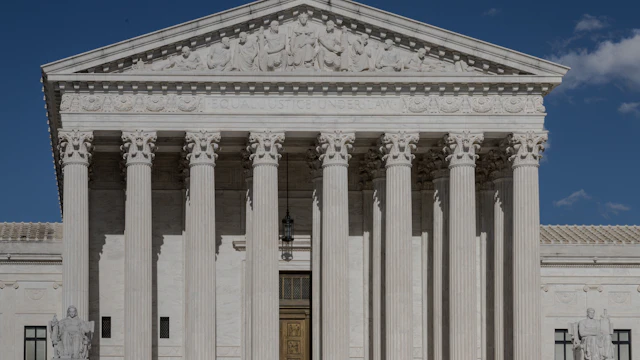
Table of Contents
A dispute over immigration court procedures involving Texas and the Trump administration has prompted a request for Supreme Court intervention. At issue is a federal regulation concerning administrative closure, a procedure that can temporarily pause immigration court proceedings, and whether other parties can defend a regulation after the federal government agrees with a state seeking to invalidate it.
What the Dispute Is About
The dispute concerns a regulation adopted by the Executive Office for Immigration Review (EOIR), the Department of Justice agency responsible for overseeing the nation's immigration courts. The regulation addressed administrative closure, a procedural tool used to temporarily remove a case from an immigration judge's active docket without deciding the underlying removal case.
Texas challenged the federal regulation, and the Trump administration joined Texas in seeking a judgment against it rather than defending the rule. A federal district court granted the requested relief. Other parties subsequently sought to defend the regulation and asked the Supreme Court to intervene after their efforts to obtain relief in the lower courts were unsuccessful.
The Supreme Court request focuses on whether the judgment should remain in effect while the dispute continues. The immediate procedural question is distinct from the ultimate question of whether the regulation was legally valid.
Why Administrative Closure Matters
Administrative closure can affect how immigration courts manage pending removal cases. Depending on the circumstances and governing legal authority, temporarily pausing a case may allow time for another immigration process or related matter to move forward.
For example, a person may have a pending application or another circumstance that could affect the appropriate timing of removal proceedings. Administrative closure does not itself grant immigration status, approve an application, or permanently terminate a case. Its availability depends on the applicable rules and legal precedents.
When the governing rules change, immigration judges and attorneys must evaluate which procedural options remain available. A tool that was previously available under a particular regulation may no longer be an option if that regulation is invalidated and the judgment remains effective.
Who Can Defend a Federal Regulation?
One important issue is whether outside parties can participate in litigation to defend a federal regulation when the government that adopted it declines to do so. The parties seeking to preserve the rule include local governments and an immigration legal services organization. They have argued that eliminating the regulation could affect their interests and the communities they serve.
The dispute also raises questions about federal administrative procedure. Agencies generally must follow applicable legal requirements when adopting, amending, or repealing regulations. Critics of the agreement argue that the government should not be able to avoid those procedures simply by agreeing with a state in litigation that a regulation should be invalidated.
The opposing position asks the Supreme Court to leave the existing judgment in place. The broader legal issues include the ability of outside parties to intervene, the requirements for establishing standing, and the consequences of the federal government's litigation decisions.
Potential Impact on Immigration Cases
The dispute could have consequences for immigration court case management beyond the parties involved in the lawsuit. If the challenged regulation remains invalidated, attorneys may need to assess whether other authorized procedures can address their clients' circumstances.
The practical effect will depend on the scope of the judgment, any further appellate action, and the legal authorities applicable to individual cases. The Supreme Court's consideration of a request for interim relief does not, by itself, establish that the regulation is valid or that every immigration judge must follow a particular procedure.
For people facing removal proceedings, it is important to distinguish administrative closure from other forms of relief. A temporary pause is not the same as termination of proceedings, cancellation of a removal order, approval of an immigration application, or protection from deportation.
What Immigrants and Families Should Know
People with pending immigration court cases should not assume that this litigation automatically changes their individual case status or excuses them from attending scheduled hearings. Court dates, filing deadlines, and existing orders remain important unless the appropriate authority changes them.
An attorney can review the procedural history of a case, identify which rules currently apply, and determine whether another form of relief or a different procedural request may be appropriate. The availability of an option depends on the facts, the court's authority, and the latest controlling decisions.
As the litigation develops, immigrants and their families should rely on official court information and qualified legal advice rather than assuming that a proposed change or pending Supreme Court request guarantees a particular outcome.
Ready to talk to an attorney?
We can review your immigration court situation, explain the procedures that may be available, and help you understand how changes in immigration law could affect your case. Contact us to discuss your circumstances and potential next steps.
Schedule a Consultation About the Author
Vaida Plesa, Esq.
Vaida Plesa is the founding attorney of Plesa Immigration Law, LLC, focusing on U.S. immigration law with an emphasis on removal defense, family-based immigration, and protecting immigrants’ rights in an evolving enforcement landscape.
Related Articles
EOIR Updates Guidance on Observing Immigration Court Hearings
EOIR has updated its guidance on public observation of immigration court hearings, including when members of the public may observe internet-based hearings through Webex.
Read more
In Removal Proceedings? Check Your Immigration Court Hearing Date Regularly
Immigration court hearings can be rescheduled, sometimes without timely notice reaching the attorney or client. If you are in removal proceedings, regularly checking your case status can help you avoid missing an important hearing.
Read more
Supreme Court to Review Trump’s Mandatory Immigration Detention Policy: What Immigrants Should Know
The Supreme Court will review the Trump administration’s mandatory immigration detention policy. Learn how the case could affect bond hearings, ICE detention, and legal options for immigrants fighting removal.
Read more