Supreme Court to Review Trump’s Mandatory Immigration Detention Policy: What Immigrants Should Know

Vaida Plesa, Esq.

Table of Contents
On October 1, 2026, the U.S. Supreme Court agreed to review the Trump administration’s mandatory immigration detention policy, which has been used to deny bond hearings to many immigrants who entered the United States without inspection. The case could affect whether detained immigrants can ask an immigration judge to consider their release while removal proceedings are pending.
Supreme Court Agrees to Review Mandatory Detention
The Supreme Court will consider a dispute over how federal immigration law applies to immigrants who entered the United States without authorization and have lived here for an extended period. According to Reuters, the case involves Ricardo Aparecido Barbosa da Cunha, a Brazilian national who entered the country without inspection approximately two decades ago and later applied for asylum.
After his arrest in Massachusetts in September 2025, Barbosa da Cunha sought a bond hearing but faced detention under the administration’s interpretation of immigration law. He later obtained release on bond through federal court litigation. The administration challenged an adverse ruling from the U.S. Court of Appeals for the Second Circuit.
Federal appellate courts have disagreed about whether the government can require mandatory detention for this category of immigrants without allowing them to request bond. The Supreme Court’s review could resolve this legal dispute, although the Court has not yet decided whether the administration’s interpretation is correct.
Why Bond Hearings Matter
A bond hearing gives an eligible detained immigrant an opportunity to ask an immigration judge to authorize release while the immigration case continues. Depending on the applicable law and individual circumstances, the judge may consider community ties, employment, family responsibilities, criminal history, and the risk that the person will miss future hearings.
The administration’s policy takes the position that many immigrants who entered without inspection fall within a statutory category subject to mandatory detention. Under that interpretation, affected individuals may be unable to obtain an ordinary bond hearing, regardless of how long they have lived in the United States or how strong their family ties may be.
The central dispute is whether the relevant immigration statutes require this result or permit a different detention framework for people who have already established lives inside the country. Eligibility for bond depends on the governing statute and the person’s circumstances; not every detained immigrant is eligible for release.
What the Supreme Court’s Ruling Could Mean
The Court’s decision could affect how detention cases are handled across the country. If the Court rejects the administration’s interpretation, some immigrants may have a stronger legal basis to request individualized bond hearings. If the Court upholds the interpretation, mandatory detention without access to the ordinary bond process could continue for individuals covered by the ruling.
The practical consequences will depend on the Court’s reasoning, the scope of its decision, and the detention statute applicable to each person. Other provisions may govern individuals with certain criminal convictions, prior removal orders, or different immigration histories.
Important: The Supreme Court’s decision to hear the case is not a ruling on the merits. It does not automatically require ICE to provide bond hearings or release people who are currently detained. Individual cases must be evaluated under the law that applies to them.
Legal Options for Detained Immigrants
Immigrants who are denied bond or held without a hearing may have legal options beyond waiting for the Supreme Court’s decision. The appropriate approach depends on the legal basis for detention, the person’s immigration history, and the controlling law in the relevant jurisdiction.
In some circumstances, an attorney may evaluate whether to file a petition for a writ of habeas corpus in federal district court. Habeas litigation allows a person to challenge the legal basis for continued custody. Depending on the case, the challenge may address the government’s interpretation of the detention statute or other legal defects in the detention.
A habeas petition does not guarantee release. Federal courts may consider jurisdiction, exhaustion arguments, controlling precedent, and the relief requested. The location of detention and the applicable federal court decisions can be particularly important when determining whether a challenge is appropriate.
What Families Should Do Now
Families do not necessarily need to wait for a final Supreme Court decision before seeking advice about a loved one’s detention. An attorney can review the Notice to Appear, custody documents, immigration court records, and any decision denying bond to determine which detention rules apply.
Families should preserve relevant records, including proof of residence, employment, family relationships, caregiving responsibilities, and compliance with prior immigration proceedings. These documents may help support a custody request when a bond hearing is legally available or provide useful context for another legal challenge.
The Supreme Court’s review could clarify an important question affecting immigration detention, but the availability of relief will remain dependent on the facts and law of each case.
Ready to talk to an attorney?
If your loved one is detained by ICE or has been denied a bond hearing, we can review the detention circumstances and explain potential legal options. Our attorneys can evaluate whether a bond request, federal habeas petition, or another legal challenge may be appropriate.
Schedule a Consultation About the Author
Vaida Plesa, Esq.
Vaida Plesa is the founding attorney of Plesa Immigration Law, LLC, focusing on U.S. immigration law with an emphasis on removal defense, family-based immigration, and protecting immigrants’ rights in an evolving enforcement landscape.
Related Articles
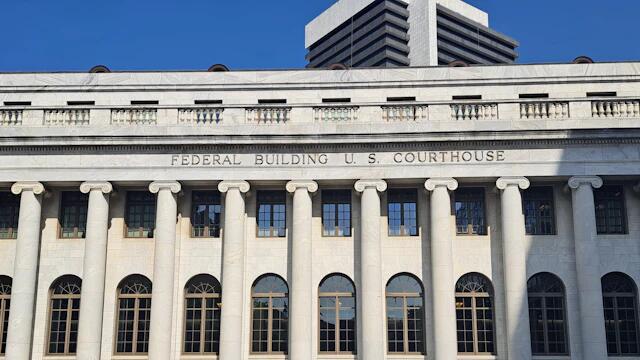
Fourth Circuit Rejects Broad Mandatory Immigration Detention Policy and Upholds Access to Bond Hearings
The Fourth Circuit has rejected the federal government’s broad interpretation of immigration detention law, holding that certain noncitizens arrested inside the United States are entitled to bond hearings. The decision adds to a growing federal appellate split over mandatory immigration detention.
Read more
Federal Appeals Court Rules Immigrants Detained Over 90 Days Must Receive Bond Hearing
The Fifth Circuit ruled that immigrants detained for more than 90 days are entitled to an individualized bond hearing, reinforcing important constitutional due process protections during removal proceedings.
Read more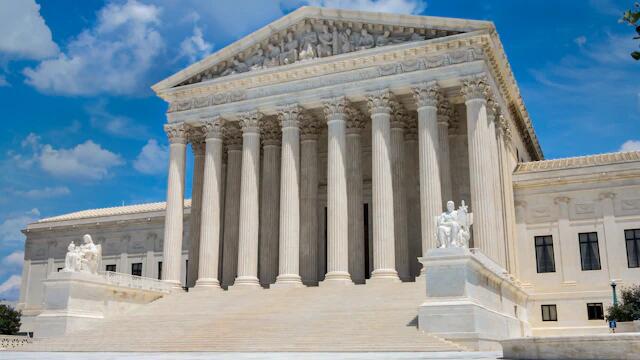
Supreme Court Dismisses Immigration Detention Case Scheduled for October Argument
The Supreme Court has dismissed Genalo v. Black, leaving unresolved whether prolonged mandatory immigration detention requires an individualized bond hearing. The government has indicated that it intends to bring the issue before the Court again.
Read more