Supreme Court Dismisses Immigration Detention Case Scheduled for October Argument

Vaida Plesa, Esq.
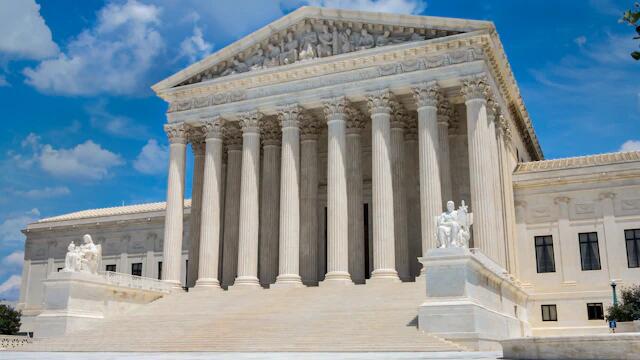
Table of Contents
The U.S. Supreme Court has dismissed a closely watched immigration detention case that had been scheduled for oral argument on October 13, 2026. The dismissal means the Court will not decide, at least in this case, when prolonged mandatory immigration detention becomes unconstitutional or when a detained noncitizen is entitled to a bond hearing.
What the Supreme Court Dismissed
The case, Genalo v. Black, involved challenges arising from prolonged detention under the federal immigration detention system. The Supreme Court had agreed to review a Second Circuit decision addressing the constitutional limits of lengthy mandatory detention while removal proceedings remain pending.
The case was particularly significant because the Supreme Court had previously addressed mandatory immigration detention but had left an important constitutional question unresolved: whether due process eventually requires an individualized bond hearing when detention becomes unreasonably prolonged.
The Court's dismissal came after the parties jointly agreed that the remaining case had become moot. As a result, the October 13 oral argument will not take place.
The Immigration Detention Question
The underlying dispute concerns noncitizens who are subject to mandatory detention because of certain criminal convictions while their immigration proceedings continue. Mandatory detention can last for months or, in some cases, substantially longer while a person pursues defenses, appeals, or other forms of immigration relief.
The central constitutional question is whether there is a point at which detention becomes so lengthy that the Fifth Amendment's due process protections require the government to provide an individualized bond hearing.
The Second Circuit has recognized that prolonged detention can trigger due process protections. Under that approach, a sufficiently prolonged period of detention can require a hearing at which the government must justify continued detention. The Supreme Court had been expected to provide important guidance on whether that framework is constitutionally required and, if so, what burden of proof applies at the hearing.
Key point: The Supreme Court's dismissal does not resolve the constitutional question. It leaves the existing lower-court decisions and circuit-specific rules in place.
Why the Case Became Moot
The Supreme Court's review originally involved two individuals. One respondent, Carol Williams Black, had already left the United States and indicated that he did not intend to return, eliminating the immediate controversy surrounding his detention.
The remaining respondent, identified as Keisy G.M., had been detained for approximately 21 months following an assault conviction. His case presented the principal opportunity for the Supreme Court to address prolonged mandatory detention.
That opportunity disappeared after New York Governor Kathy Hochul granted G.M. a pardon relating to the conviction underlying his immigration detention. The pardon changed his immigration circumstances and meant that he was no longer subject to mandatory detention on the same basis. Both sides subsequently agreed that the case was moot.
The parties filed a joint stipulation asking the Supreme Court to dismiss the case, and the Court granted the request. The result was that the Court did not reach the constitutional merits of the prolonged-detention issue.
What the Dismissal Means for Immigration Cases
For detained immigrants and their attorneys, the dismissal is important precisely because it does not establish a nationwide rule. There is no new Supreme Court decision saying that prolonged mandatory detention is always constitutional or always unconstitutional.
The dismissal also does not eliminate existing arguments for a bond hearing based on prolonged detention. Attorneys must continue to look at the law of the jurisdiction where the case is being litigated, the length of detention, the procedural history, the reason for delays, and the individual's particular circumstances.
For cases within the Second Circuit, the existing precedent concerning prolonged detention remains particularly important. Outside that circuit, the legal standard can differ, making jurisdiction-specific research essential.
The case is also a reminder that immigration detention litigation can change quickly. A case that appears likely to produce a major Supreme Court ruling can become moot because of a change in the individual's custody or immigration status.
What Happens Next
Although this Supreme Court case is over, the underlying legal dispute is not. The federal government has indicated that it intends to seek review in another case so that the Supreme Court can eventually address the constitutional questions surrounding prolonged mandatory detention.
A future case could give the Supreme Court another opportunity to determine whether and when due process requires a bond hearing, and whether the government must meet a particular evidentiary burden to justify continued detention.
Until that happens, detained noncitizens should not assume that the dismissal means they have no options. Depending on the facts and jurisdiction, potential strategies may include seeking a bond hearing, challenging prolonged detention, pursuing habeas corpus relief, or raising other available immigration defenses.
Ready to talk to an attorney?
If you or a family member is facing prolonged immigration detention, we can review the circumstances of the detention and discuss what legal options may be available. Our attorneys can help evaluate potential bond, habeas corpus, and other strategies based on the case and jurisdiction.
Schedule a Consultation About the Author
Vaida Plesa, Esq.
Vaida Plesa is the founding attorney of Plesa Immigration Law, LLC, focusing on U.S. immigration law with an emphasis on removal defense, family-based immigration, and protecting immigrants’ rights in an evolving enforcement landscape.
Related Articles

Federal Appeals Court Rules Immigrants Detained Over 90 Days Must Receive Bond Hearing
The Fifth Circuit ruled that immigrants detained for more than 90 days are entitled to an individualized bond hearing, reinforcing important constitutional due process protections during removal proceedings.
Read more
ICE Reopens Former Prisons as Immigration Detention Centers: What Immigrants and Families Need to Know
The U.S. government has reopened former prisons as ICE detention centers to expand immigration detention capacity. Learn what this means for detainees, conditions of confinement, and immigrant families.
Read more
Supreme Court Immigration Rulings Give Trump Administration Major Policy Wins Despite Birthright Citizenship Loss
Although the Supreme Court preserved birthright citizenship, several other decisions have cleared the way for expanded immigration enforcement affecting TPS holders, asylum seekers, and lawful permanent residents.
Read more