How ICE Crackdowns Affect Construction Workers and Housing Costs

Vaida Plesa, Esq.
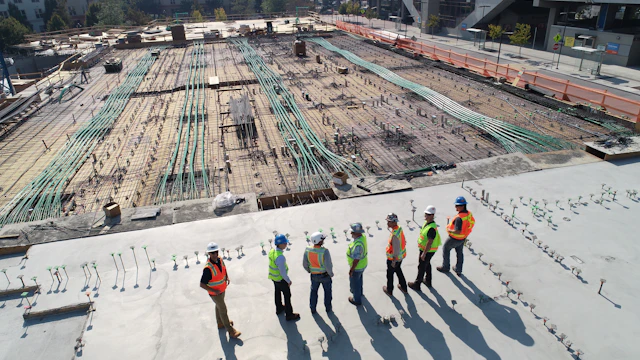
Table of Contents
Increased immigration enforcement is affecting more than immigration proceedings. Reports from the construction industry indicate that ICE enforcement can disrupt work crews, contribute to project delays, and add pressure to building costs. For immigrant workers and their families, understanding their legal rights and options is especially important when detention threatens their income and family stability.
How Immigration Enforcement Affects Construction
Immigrants make up a significant share of the U.S. construction workforce, including workers in roofing, drywall installation, painting, flooring, and other skilled trades. When experienced workers are detained, leave an area, or avoid jobsites because they fear enforcement, contractors may struggle to maintain their usual staffing levels.
A shortage in one trade can affect an entire project. Delays involving framing, for example, can push back electrical work, plumbing, insulation, and finishing. Industry reports have described growing concerns among homebuilders about enforcement-related workforce disruptions, although the effects vary by location and employer.
The issue also highlights an important distinction: a person's occupation, appearance, or language does not establish their immigration status or whether they are authorized to work in the United States.
Labor Shortages and Housing Costs
When contractors cannot find enough qualified workers, they may need to compete for available labor, offer higher wages, or reschedule subcontractors. These changes can increase project expenses and make it harder for builders to meet deadlines. Smaller businesses may be particularly vulnerable when an unexpected staffing shortage disrupts their operations.
Higher construction costs can put additional pressure on home prices and renovation budgets. Homeowners may also face longer waits or higher estimates for repairs when contractors have difficulty staffing roofing, painting, drywall, and other jobs.
Immigration enforcement is not the only cause of construction labor shortages. Training gaps, an aging workforce, material costs, interest rates, and local housing demand also influence construction costs. The extent to which enforcement affects final home prices depends on these broader market conditions.
What Immigrant Workers Should Know
Immigration status and employment authorization are related but distinct legal questions. Some noncitizens qualify for work authorization through a particular immigration category or an employment authorization document. Others may have pending applications or temporary protections that affect their circumstances. A work permit does not necessarily provide permanent immigration status, and each person's situation must be assessed individually.
ICE has legal authority to conduct immigration enforcement, but officers must comply with applicable legal requirements. The rules for entering a workplace, searching an area, making an arrest, or detaining someone depend on the circumstances. An administrative immigration warrant does not automatically authorize officers to enter every private, nonpublic workplace area without consent.
Employers should maintain appropriate employment eligibility verification procedures and seek legal advice about responding to government inquiries. Workers should avoid relying on rumors or assumptions and consult a qualified attorney if they have concerns about their immigration status, employment authorization, or an enforcement encounter.
What to Do If a Family Member Is Detained
For families who depend on a construction worker's income, an ICE detention can create immediate financial and emotional hardship. Finding the person and understanding their immigration history are important first steps toward evaluating possible legal options.
- Locate the detained person using the official ICE Online Detainee Locator System. You may need the person's full name and country of birth or their Alien Registration Number, if available.
- Gather relevant documents, including immigration court notices, prior applications, work permits, removal orders, and paperwork provided during the arrest or detention.
- Identify any prior immigration proceedings, removal orders, pending applications, or upcoming court deadlines that may affect the person's options.
- Consult an immigration attorney to review the detention, determine whether a bond hearing may be available, and assess whether other legal remedies should be considered.
Not every detained immigrant is eligible for bond, and the availability of a hearing depends on the legal basis for detention and the individual's circumstances. Prompt legal review can help families understand which steps may be appropriate.
Legal Help for Detained Immigrants
In some cases, a detained immigrant may be able to challenge the legality of their custody through a federal habeas corpus petition. Habeas corpus is a legal procedure that allows a person to challenge unlawful detention. Depending on the applicable law and facts, a petition may seek release or other appropriate relief.
Habeas corpus is not a substitute for every immigration court proceeding, and a challenge to detention is different from an appeal of a removal order. The person's immigration history, detention authority, procedural posture, and the court's jurisdiction all matter. An attorney can evaluate whether habeas relief, a bond hearing, or another legal avenue may be available.
If you or a family member has been detained by ICE, obtaining case-specific legal advice can help clarify the available options and identify urgent issues. We handle detained immigration matters and federal habeas corpus petitions, subject to an individual review of the case.
Ready to talk to an attorney?
We can review the circumstances of an ICE detention, assess potential legal challenges, and explain whether a bond hearing or federal habeas corpus petition may be appropriate. Contact us to discuss your situation and the next steps.
Schedule a Consultation About the Author
Vaida Plesa, Esq.
Vaida Plesa is the founding attorney of Plesa Immigration Law, LLC, focusing on U.S. immigration law with an emphasis on removal defense, family-based immigration, and protecting immigrants’ rights in an evolving enforcement landscape.
Related Articles

How to Find Someone Detained by ICE: A Step-by-Step Guide
Worried about a loved one detained by ICE? Learn how to use the official ICE detainee locator, what information you need, and what to do if you cannot find them.
Read more
Federal Appeals Court Rules Immigrants Detained Over 90 Days Must Receive Bond Hearing
The Fifth Circuit ruled that immigrants detained for more than 90 days are entitled to an individualized bond hearing, reinforcing important constitutional due process protections during removal proceedings.
Read more
ICE Arrests Surge as Trump Administration Expands Interior Immigration Enforcement
ICE has dramatically increased immigration arrests as the Trump administration shifts toward a broader interior enforcement strategy emphasizing routine arrests, detention, and accelerated deportations.
Read more