USCIS Implements New Photo Policy to Prevent Immigration Fraud

Vaida Plesa, Esq.
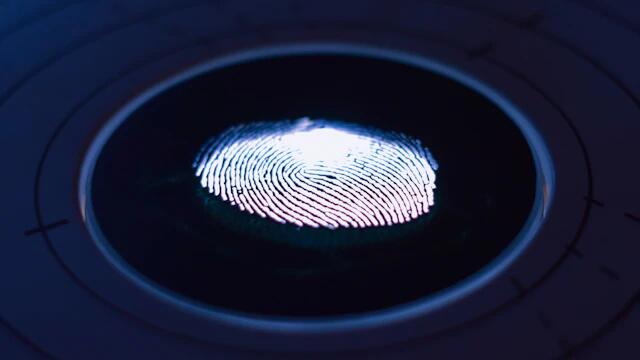
Table of Contents
U.S. Citizenship and Immigration Services (USCIS) has announced a new photo policy designed to enhance identity verification and reduce immigration fraud. This update affects how photographs are collected, reused, and verified across many immigration benefit applications.
Overview of the New USCIS Photo Policy
The updated USCIS photo policy limits the reuse of previously captured photographs and requires more recent images for identity verification. The change is intended to improve the integrity of immigration documents and ensure that applicants are accurately identified throughout the adjudication process.
USCIS explained that older photographs may no longer reflect an applicant’s current appearance, increasing the risk of fraud, misidentification, or document misuse.
Key Changes to Photo Requirements
- 36-month photo reuse limit: USCIS will generally reuse a photo only if it was taken within the last three years.
- End of self-submitted photos: Applicants may no longer submit their own photos with applications.
- Authorized photo capture: Photos must be taken through USCIS-approved biometric appointments or official channels.
- Discretionary authority: USCIS may require a new photo even if a recent image exists.
Who Is Affected by the New Policy
This policy impacts a wide range of immigration filings where photographs are used for identity verification. Commonly affected forms include adjustment of status applications, green card renewals, naturalization applications, and other benefits requiring biometrics.
Applicants with photos older than three years on file should expect to be scheduled for a new biometric appointment.
Practical Impact on Immigration Applications
- Additional biometric appointments may be required
- Processing times may increase due to scheduling requirements
- Failure to comply with photo requirements could result in delays or Requests for Evidence (RFEs)
Applicants should plan accordingly and respond promptly to any USCIS notices.
What Applicants Should Do Next
Before filing an immigration application, it is important to determine whether your most recent USCIS photo meets the new requirements. In many cases, consulting with an experienced immigration attorney can help prevent delays and ensure compliance with updated USCIS policies.
Need Help With Your Immigration Case?
Changes in USCIS policies can directly affect your application. Our immigration attorneys can help you understand how the new photo requirements apply to your situation and guide you through the process.
Schedule a Consultation About the Author
Vaida Plesa, Esq.
Vaida Plesa is the founding attorney of Plesa Immigration Law, LLC, focusing on U.S. immigration law with an emphasis on removal defense, family-based immigration, and protecting immigrants’ rights in an evolving enforcement landscape.
Related Articles

U.S. May Require Foreign Tourists to Submit 5 Years of Social Media History
The U.S. government is proposing to require international travelers from visa-waiver countries to disclose up to five years of social media history as part of entry screening, a move that could significantly affect tourism and international travel.
Read more
Trump Administration Suspends the U.S. Green Card Lottery Program
The Trump administration has suspended the U.S. Diversity Visa (Green Card Lottery) program following heightened security concerns, leaving thousands of applicants worldwide uncertain about their immigration options.
Read more
USCIS Issues New Guidance on Family-Based Immigration Policy
USCIS has issued updated guidance clarifying how officers adjudicate family-based immigration petitions. While eligibility rules remain unchanged, the new policy emphasizes stronger documentation, relationship verification, and clearer adjudication standards.
Read more